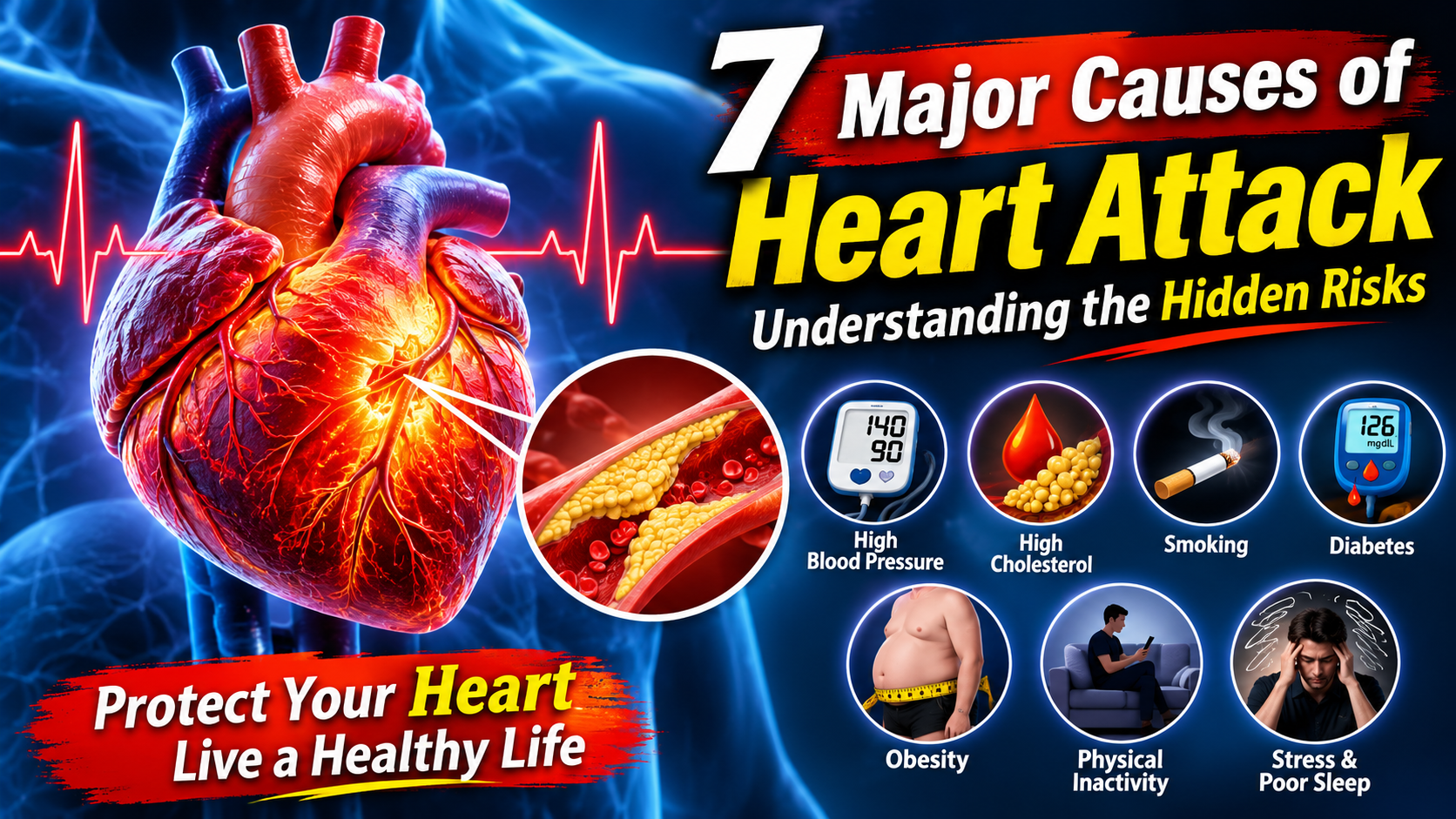
A heart attack is one of the leading causes of death worldwide and represents a serious threat to human health. It occurs when the blood supply to a part of the heart muscle becomes blocked, preventing oxygen from reaching the affected area.
Although heart attacks are often associated with older adults, they can affect people of different age groups. Several medical conditions and lifestyle habits increase the risk of developing heart disease.
Here are seven major causes and risk factors associated with heart attacks.
High Blood Pressure
High blood pressure, also known as hypertension, is one of the most significant risk factors for heart attacks. When blood pressure remains consistently high, it puts excessive pressure on artery walls. Over time, this damages blood vessels and makes them more vulnerable to plaque buildup.
This condition forces the heart to work harder to pump blood throughout the body. It left untreated, hypertension can increase the risk of coronary artery disease and heart attacks.
High Cholesterol Levels
Cholesterol is a fatty substance required by the body for several important functions. However, excessive low-density lipoprotein, commonly called bad cholesterol, can accumulate inside artery walls.
This buildup forms plaques that narrow the arteries and restrict blood flow. If a plaque ruptures, a blood clot may develop and completely block an artery supplying the heart, resulting in a heart attack.
Smoking and Tobacco Consumption
Smoking is another major contributor to cardiovascular disease. Cigarette smoke contains harmful chemicals that damage blood vessel linings and reduce the amount of oxygen carried by the blood.
Nicotine increases heart rate and blood pressure, while other chemicals promote inflammation and blood clot formation. Regular tobacco consumption significantly increases the risk of heart attacks, even among relatively young individuals.
4. Diabetes
Diabetes is a chronic medical condition characterized by elevated blood glucose levels. Over time, uncontrolled blood sugar can damage blood vessels and the nerves that control the heart.
People with diabetes are at a higher risk of developing coronary artery disease. Insulin resistance and associated metabolic changes can further contribute to cardiovascular complications.
Maintaining healthy blood glucose levels through medication, physical activity, and proper nutrition is essential for reducing this risk.
5. Obesity and Unhealthy Eating Habits
Excess body weight, particularly abdominal fat, increases the likelihood of developing several cardiovascular risk factors.
A diet rich in saturated fats, trans fats, added sugars, and excessive salt can contribute to obesity, high cholesterol, and hypertension. These conditions collectively increase the risk of heart attacks.
Eating fruits, vegetables, whole grains, and other nutrient-rich foods can help maintain a healthier cardiovascular system.
6. Physical Inactivity
A sedentary lifestyle can negatively affect overall heart health. People who spend most of their time sitting and avoid regular physical activity are more likely to develop obesity, high blood pressure, and abnormal cholesterol levels.
Regular exercise strengthens the heart muscle, improves blood circulation, and helps maintain healthy body weight. Even moderate activities such as walking, cycling, and swimming can provide significant cardiovascular benefits.
7. Chronic Stress and Poor Sleep
Long-term psychological stress can contribute to increased blood pressure, unhealthy eating habits, smoking, and other behaviors associated with cardiovascular disease.
Poor sleep quality and insufficient sleep may also affect blood pressure, blood glucose regulation, and metabolic health. Together, these factors can increase cardiovascular risk over time.
Developing healthy sleep routines, practising relaxation techniques, and maintaining a balanced lifestyle can support better heart health.
Conslution
Heart attacks are influenced by several medical, genetic, and lifestyle-related factors. High blood pressure, cholesterol, smoking, diabetes, obesity, physical inactivity, and chronic stress are among the major contributors to cardiovascular risk.
The good news is that many of these risk factors can be controlled through healthy lifestyle choices, regular medical check-ups, and appropriate treatment. Recognizing warning signs such as chest discomfort, breathlessness, sweating, and pain spreading to the arm or jaw is equally important.
A heart attack is a medical emergency. Anyone experiencing these symptoms should seek immediate emergency medical assistance rather than waiting for them to disappear.
Protecting heart health begins with awareness, prevention, and timely medical care.
Edited by Rajat Chauhan. How articles here are written and edited.
0 comments
Sign in to join the discussion.
Loading comments…